
Reviewed · GRAND CAYMAN
Reagan’s Honey Beekeeping Adventure
If you like hands-on nature, this Grand Cayman beekeeping adventure hits a sweet spot. You start on the edge of mangrove wetlands, then gear up and inspect an active hive, learning what the bees do and how people manage the hives responsibly.
Two things I really like about Reagan’s Honey Beekeeping Adventure are the small group size (just 2 to 4 people) and the fact that you leave with honey taken straight from the hive. One possible drawback is that you need good weather for this one, and you also must follow the dress code and safety rules to keep things calm.
Key highlights worth planning for
- Small group limit of 4 means more time with the guide and a more personal pace
- Live beehive inspection includes looking for the queen bee and seeing the brood stages
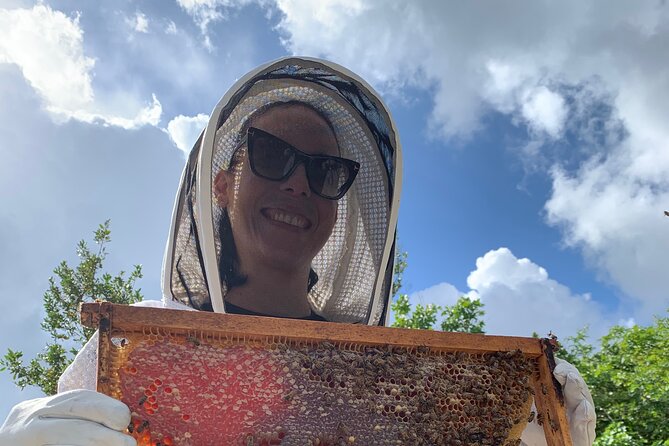
- Ventilated full bee suit is provided, and sting risk is described as highly unlikely
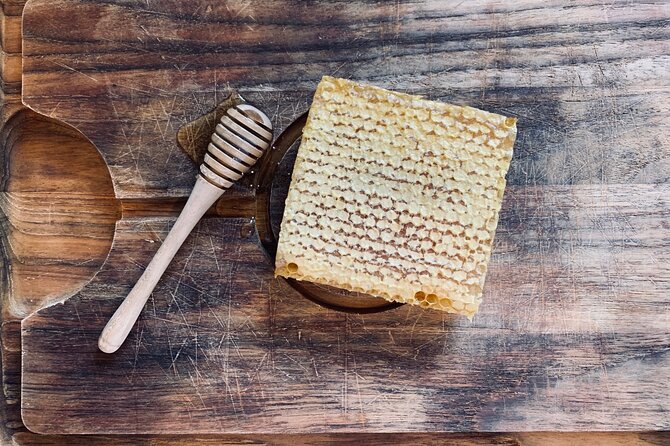
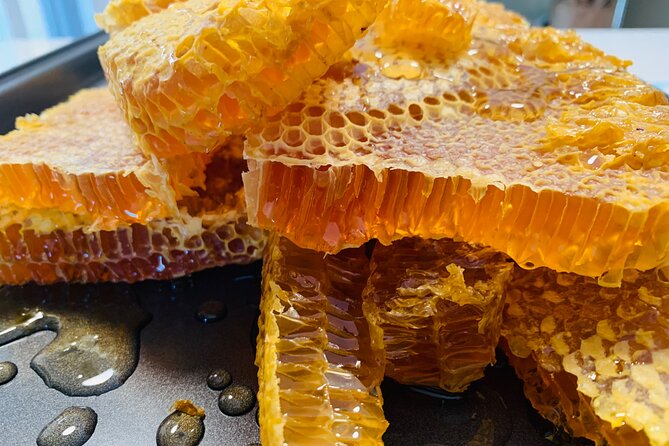
- Honey straight from the hive comes in your own sample jar
- Tropical woodland wildlife opportunities include iguanas, agouti, native birds, and water fowl
- Snacks and refreshments after the tour plus bottled water to keep you comfortable
Bees, mangroves, and why this apiary visit matters
Grand Cayman can be all beaches and cruise ports, but this experience pulls you into a quieter side of the island. The apiary sits near mangrove wetlands, and that setting matters. Bees are not just “cute insects.” They’re part of the island’s living system, helping with pollination and supporting food webs that include birds and other wildlife.
What you do here is practical. You learn how beekeepers protect hives, how hives are designed, and how active management works, including activities like honey harvesting and queen rearing. Even if you know nothing about bees today, the visit gives you a simple mental map: bees live as a coordinated colony, the hive is an engineered home, and humans play a supporting role to keep the colony safe and productive.
Chasing more Grand Cayman water time? Look at these:
- Stingray City Experience Plus Two Snorkeling Stops on Grand Cayman
★ 5.0 · 1,477 reviews - Starfish Point, Stingray City & Coral Garden (3-STOP Adventure)
★ 4.5 · 1,168 reviews - Night Bioluminescence Snorkel Tour
★ 5.0 · 987 reviews
The tour rhythm: 2 hours with a group of 2 to 4
This is designed for a small-group feel. You can book as a minimum of 2 people, and the maximum is 4 per reservation. That matters because hive work is hands-on and attention has to be steady. It is much easier for a guide to explain, answer questions, and keep everyone coordinated when the group is tiny.
The total time is listed as about 2 hours, and there is also wording that suggests around 1.5 hours for the apiary tour portion. I’d plan around the longer end so you do not feel rushed. The start time is 9:00 am, and it runs back to the meeting point.
Also, you will need to sign a release waiver before joining. That is normal for animal-and-sting-adjacent activities, and it is part of the expectation that safety comes first.
Chime Street to the apiary edge: what your morning setup should look like
Your meeting point is Chime Street in Savannah, Cayman Islands, and the tour ends back at that same point. If you are traveling with others, pickup and drop-off from designated meeting points is included for parties of 3 or more. If you are booking for 2, it may be smarter to plan your own route to Chime Street, since transportation to the meeting location is not included in the base price.
Once you meet, you head out to the apiary. The tour description emphasizes a quick trip, then an orientation before you suit up. That orientation is where you get the “rules of the hive” mindset. In practical terms, it sets you up to move calmly, understand why timing matters during a hive inspection, and know what you are about to see.
Suit up: full bee gear, safety, and what the guide will focus on
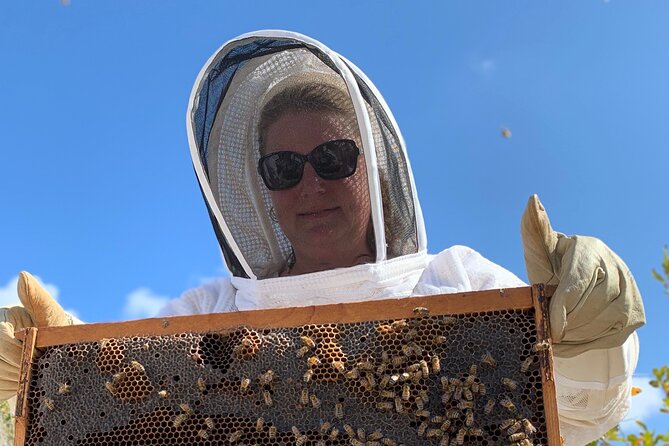
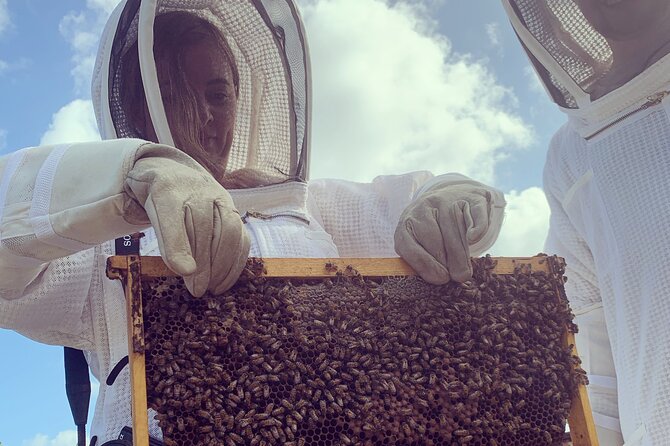
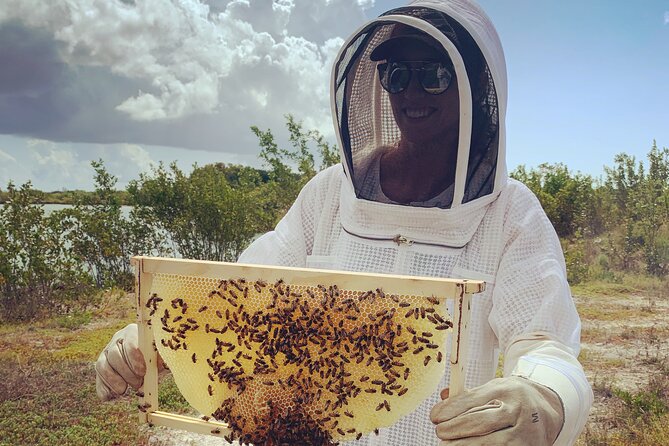
You do not just “look at bees” from far away. You don a full professional bee suit plus standard issued apiary gear. The suits are ventilated for comfort, which is important in a warm, humid place. Closed-toe shoes are required, and there is no room for sandals or flip-flops.
The safety explanation is clear: it is highly unlikely you will get stung, but no one can guarantee zero risk. The key detail is the suit design, described as triple layer ventilated protection that prevents bees from reaching you with their stinger. And the tour notes that honey bees die after they sting, which is a helpful reminder of why bees typically do not target you unless something triggers defensive behavior.
This is also where a calm, confident guide makes a difference. One of the strongest signals from the experience is that the guide, including Jamal (described as both guide and owner of the apiary), stays focused on what you should be seeing rather than just performing a show.
Same island, another afternoon sorted:
- Stingray City Experience Plus One Snorkeling Stop
★ 5.0 · 577 reviews - Private, luxury, custom charters to Stingray City, Snorkeling & More
★ 5.0 · 488 reviews - Small Group E-Bike Grand Cayman Ecological Half-Day Tour
★ 5.0 · 416 reviews - Stingray City Sandbar, Coral Gardens Snorkeling & Star Fish Point
★ 5.0 · 384 reviews
Inside an active hive: queen spotting and the colony’s inner workings
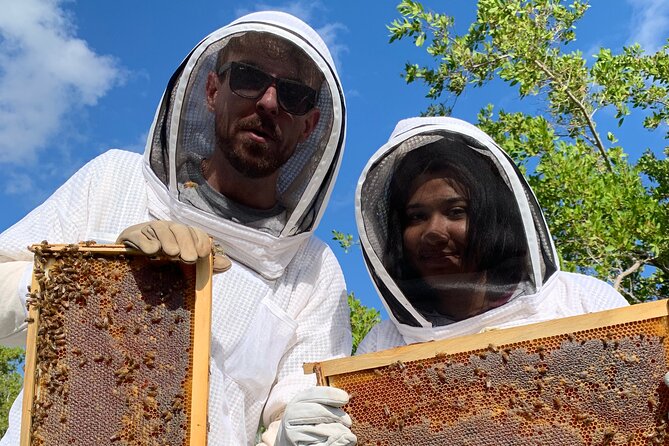
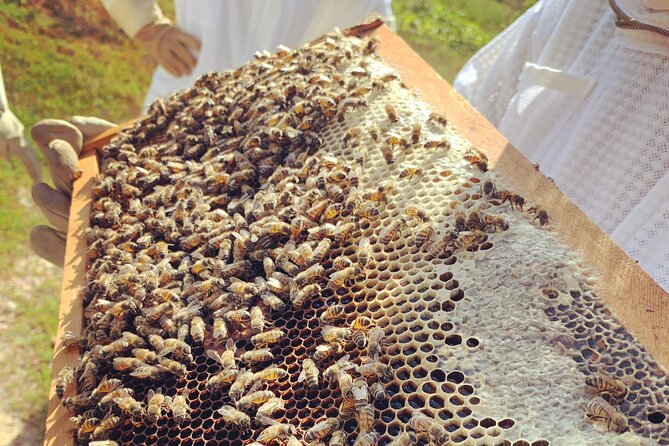
The heart of the day is the real inspection of an active beehive. This is not a museum-style panel of facts. You get a chance to look for the queen bee, spot emerging baby bees, and understand how the hive works as a living system.
Here’s what I think makes this part valuable for you, even if you are not a “bug person.”
First, you are learning through observation, not memorization. When you search for the queen bee, you start understanding colony roles in a very concrete way. Second, when you look for emerging baby bees, you are seeing development stages, which helps you connect honey production to a timeline of brood, feeding, and colony growth.
The tour is also tied to beekeeping basics like honey harvesting and queen rearing, plus apiary design. That gives context: you’re not only watching what bees do, you are learning how beekeepers plan and manage hives so the colony stays healthy.
Before closing the hives, you get your own view of what is happening, and then the process ends with the hive being handled and closed properly. That “closing” moment matters, because it reinforces that hive work is controlled, not chaotic.
Wildlife time in tropical woodland: iguanas, agouti, birds, and water fowl
After the orientation and before or around the hive work, the tour includes time in and around the tropical woodland. The description calls out close wildlife opportunities, including native birds, water fowl, iguanas, and agouti.
This is a big reason I’d choose this tour over a purely indoor or purely lecture-style experience. You get the sense that beekeeping is connected to the wider ecosystem. Even if you only spot one or two animals, the walk and the setting help the hive feel less like an isolated project and more like part of a living landscape.
A quick practical note: wildlife encounters depend on movement, time, and luck. What the tour gives you is the chance to look, not a guarantee of specific sightings.
After the bees: tasting Cayman honey and recharging with snacks
When the hive work is done, you get light snacks and refreshments after the tour. Bottled water is included, which helps because even with ventilated suits, you may still feel warm after standing and moving around.
Then comes one of the best takeaways: you receive a sample jar of honey straight from the hive to take with you. This is not just a souvenir. It is a direct result of the beekeeping cycle you just observed, and it makes the whole experience “sticky” in your memory.
If you’re thinking, is it worth it? I’d say yes because the honey ties the story together. You see the colony’s structure, you watch the keeper’s method, then you taste the product right after.
Price and value at $66.67 per person
At $66.67 per person, the price is easier to justify than it looks at first glance. Here’s what you actually get included:
- A professional guide and driver/guide, plus tour escort or host support
- Pickup and drop-off from designated meeting points for parties of 3 or more
- Light refreshments and bottled water
- A professional bee suit and safety gear
- Honey sample jar from the hive
Not included is the cost of getting yourself to the meeting location, since transportation to Chime Street is on you. That said, for many people staying in or near Savannah, the meeting point is practical.
The biggest value driver is the group size. Paying for a hands-on hive inspection with a max of 4 people means you are paying for time, attention, and safety gear, not just a quick photo stop.
What to pack and wear for a smooth, sting-safe experience
The recommended attire is simple: T-shirt and shorts or swimwear, plus closed-toe shoes. Skip sandals and flip-flops. Plan for the fact you’ll be suiting up. Comfortable clothing under the suit helps you feel less restricted.
Also think about your day after. You may get close to bees, work around equipment, and spend time outdoors. Bring a plan for changing or washing up afterward if that matters for your schedule.
Age rules are slightly nuanced in the provided information. The summary says you must be at least 13 years old to participate. The FAQ states participants must be at least 10, and anyone ages 10 to 17 must be accompanied by a parent or guardian. If you are booking with kids, verify the age requirement that applies to your specific reservation.
Who this tour fits best (and who should reconsider)
This is best for you if you like nature with a job attached to it. You want an activity where you can ask questions, watch something real, and leave with a tangible takeaway.
It also fits families more than you might expect, as long as kids can handle safety instructions and follow directions. The experience is designed for small groups, and the guided approach helps make it manageable.
You might reconsider if:
- You are not comfortable with close animal-related procedures, even with protective suits
- You want a low-commitment, purely passive viewing experience
- You cannot meet the clothing requirements (closed-toe shoes, no sandals or flip-flops)
- Weather is a hard constraint for you, since the tour requires good conditions
FAQ
Where does the apiary tour start?
The tour starts at Chime Street, Savannah, Cayman Islands.
How long is the apiary tour?
The experience is approximately 2 hours. One part of the info also references tours being around 1.5 hours, so plan for about 2 hours to be safe.
What is the minimum age to participate?
The summary says at least 13 years old. The FAQ says at least 10 years old, and ages 10 to 17 must be accompanied by a parent or guardian.
What is the maximum number of people allowed per booking?
The tour limits groups to a maximum of 4 travelers per booking.
Is pickup and drop-off included?
Pickup and drop-off from designated meeting points is included for parties of 3 or more. Pickup details for a party of 2 are not specified in the provided info.
What should I wear to the tour?
Wear a T-shirt and shorts or swimwear, and bring closed-toe shoes. No sandals or flip-flops are allowed.
Will I get stung?
It is described as highly unlikely. The tour provides full professional suits for safety, but you cannot be guaranteed sting-proof protection.
Does the tour include honey to take home?
Yes. You receive a sample jar of honey straight from the hive.
What if the weather is poor or I need to cancel?
The experience requires good weather. If it is canceled due to poor weather, you will be offered another date or a full refund. You can cancel for a full refund up to 24 hours in advance.
Should you book Reagan’s Honey Beekeeping Adventure?
If you want a real, hands-on way to understand bees in Grand Cayman, I’d book it. The combination of a tiny group, full protective suits, a true hive inspection, and a take-home honey jar is exactly what makes this feel like more than a quick excursion.
Book especially if you’re the kind of person who likes asking questions and watching how things work up close. Just check your fit for the safety expectations, confirm the age rule for your group, and plan to dress correctly so the morning goes smoothly.
New on the Grand Cayman list
- Grand Cayman Bioluminescent Bay Tour★ 3.5 · 3 reviews
- 4 Stops Tour: Stingray, Snorkeling, Starfish & 7 Mile Beach★ 5.0 · 3 reviews
- 2 Stop Reef Snorkel and Glass Bottom Boat Adventure★ 5.0 · 3 reviews
- Stingray City and Seven Mile Beach Adventure Tour★ 4.5 · 3 reviews
- Full-Day Private Stingray City Snorkeling and Starfish Beach Tour★ 5.0 · 3 reviews
- Grand Cayman Stingray City and Reef Snorkeling Combo Tour★ 4.5 · 3 reviews
- Grand Cayman Private Customized Bus Tour★ 5.0 · 3 reviews
- Private Tour to Stingray City & Snorkeling at Coral Gardens★ 5.0 · 3 reviews